Books for Big Feelings: When Little Bodies Hold Too Much
· ages 3–8 · 6 free books
A tantrum is rarely about the cup being the wrong color. It's a feeling too big for a small body, with no name on it yet. Stories hand children the names — sad, jealous, left out, not-good-enough — from a safe distance, attached to a bear or a crow instead of themselves.
These six are the ones we'd start with. Each reads in under ten minutes, free, and ends somewhere warm without pretending the feeling never happened.
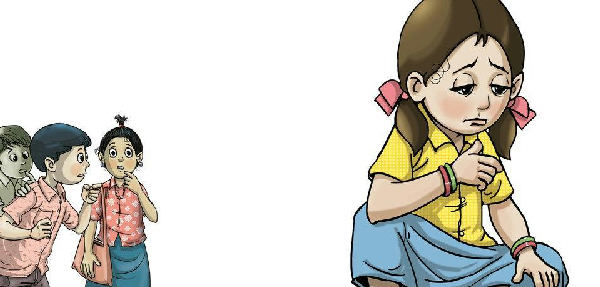
1. No Smiles Today
by Cheryl Rao · ages 3–7 · 4 min
Read it free →Shanti is the happy one — until one day she goes very quiet, and nobody knows why. A four-minute door-opener for the child who clams up; read it and then just wait.
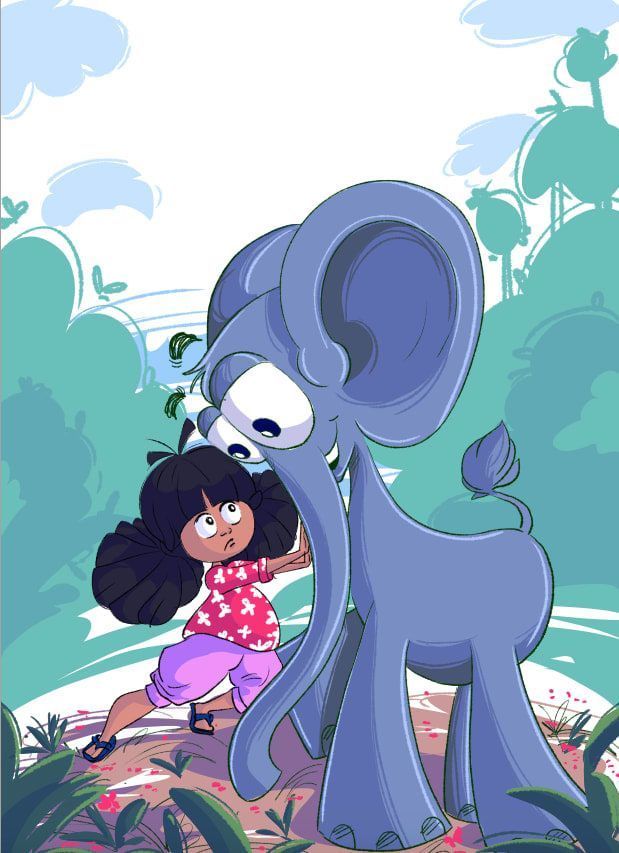
2. The Elephant in My House
by Prum Kunthearo · ages 3–7 · 8 min
Read it free →A baby elephant moves in and suddenly Botom's parents have less time for her. It's a jealousy story honest enough to sting and kind enough to resolve — especially good before or after a new sibling.
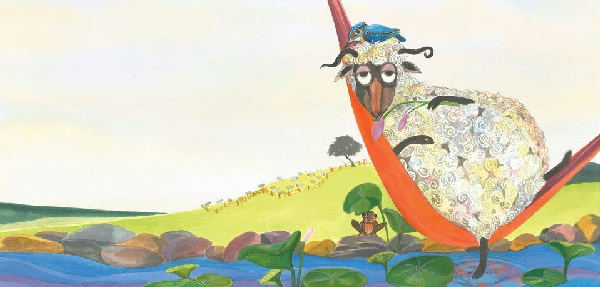
3. Just the Way I Am
by Alisha Berger · ages 3–7 · 10 min
Read it free →Matko doesn't fit through the yard gate, and her friends' helpful fixes all fail. What works is the title. A body-acceptance story that never says the word 'body' — it just shows it.
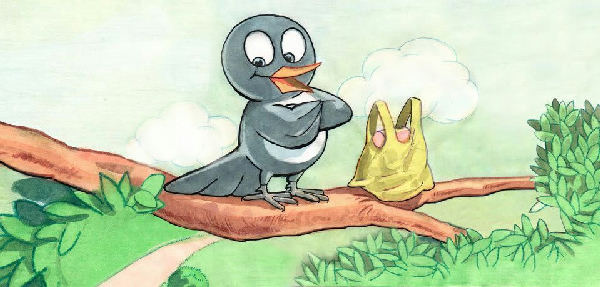
4. Koria the Crow
by Alisha Berger · ages 4–8 · 10 min
Read it free →Koria the crow hates her plain black feathers and wants the peacock's. Envy of what others have is one of the earliest big feelings, and this handles it without a single wagging finger.
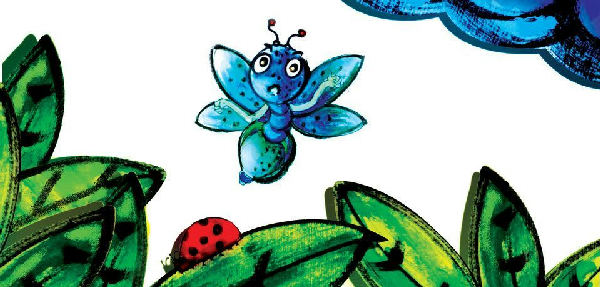
5. What Does The Firefly Have?
by Alisha Berger · ages 3–7 · 6 min
Read it free →A small firefly admires everyone else's gifts — the grasshopper's green, the butterfly's wings — before discovering her own light. Calm enough to double as a bedtime read.
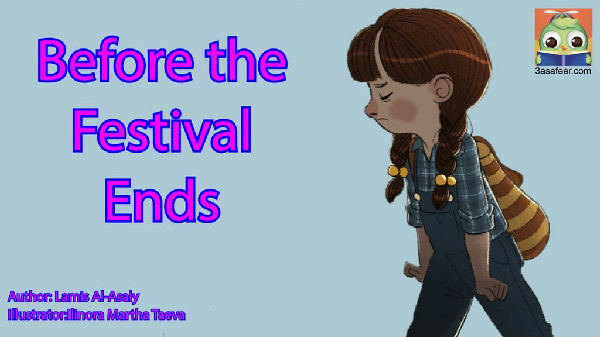
6. Before the Festival Ends
by Lamis Asali · ages 4–8 · 10 min
Read it free →Mary is furious with her mother, so she writes a story about it — and the writing changes the feeling. For slightly older kids, this is the whole toolkit in one book: feel it, name it, make something with it.
After any of these, the best question is the smallest one: 'where do you feel that feeling in your body?'. It moves the conversation from behavior to sensation, which is where young children actually live.